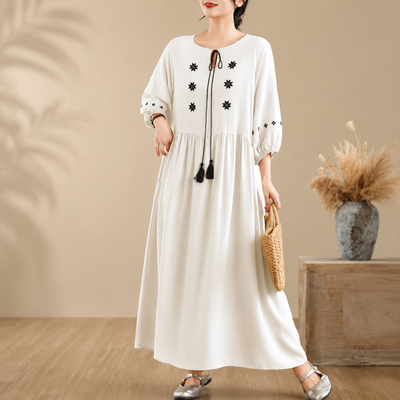
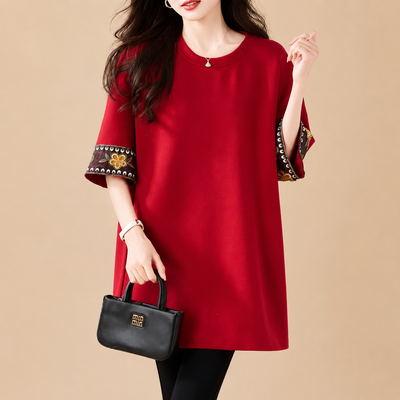
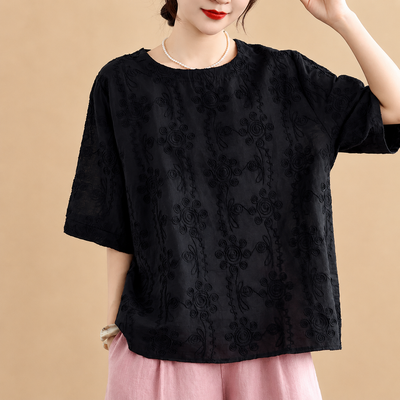
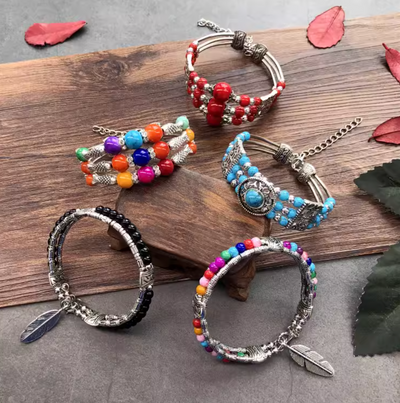
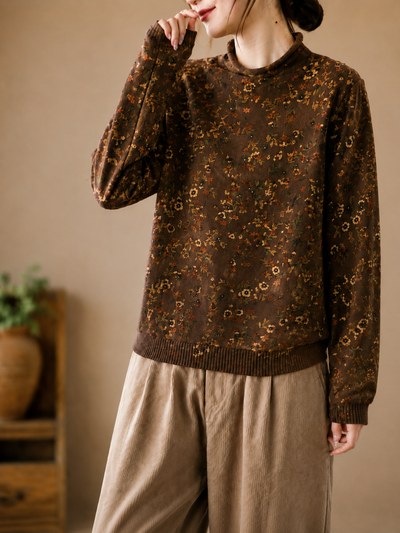
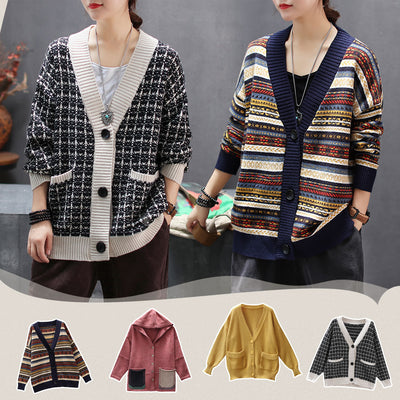

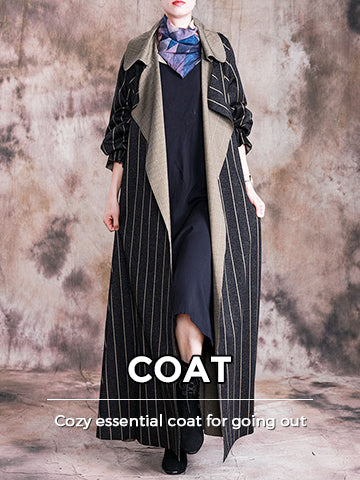
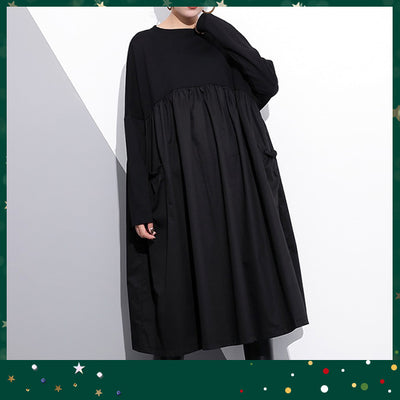
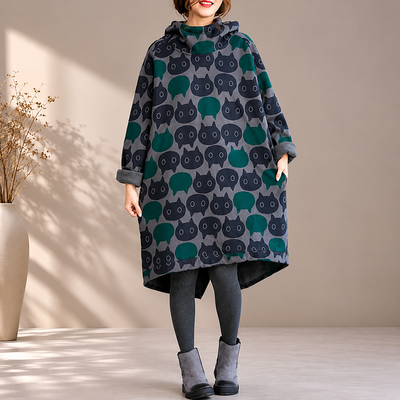
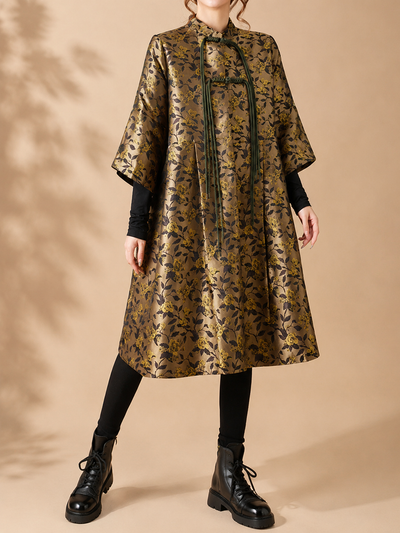

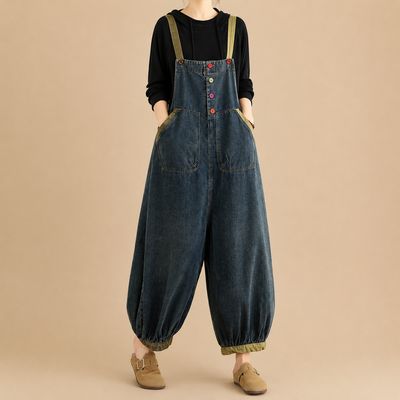
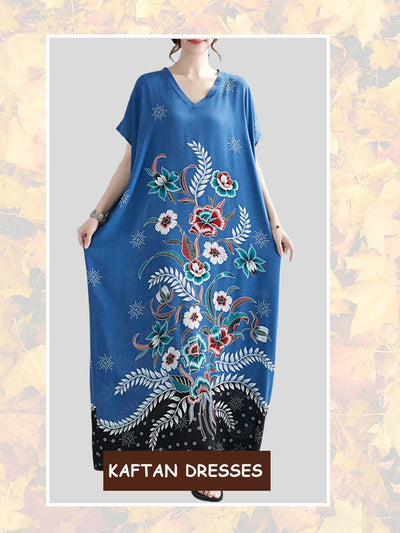
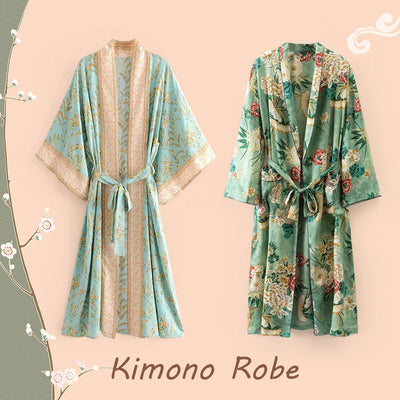
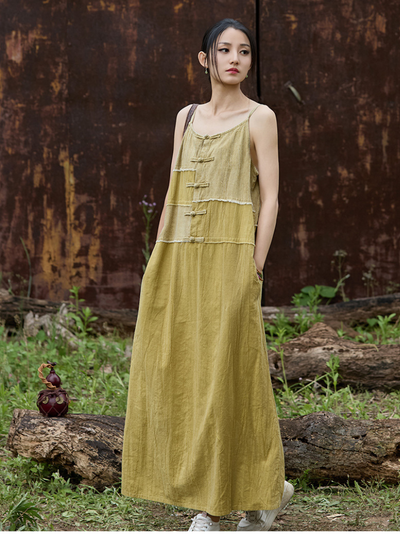
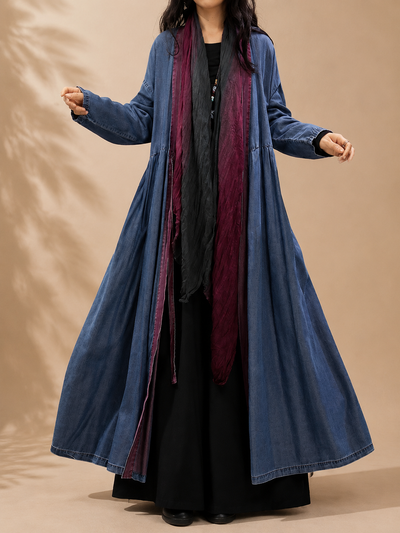
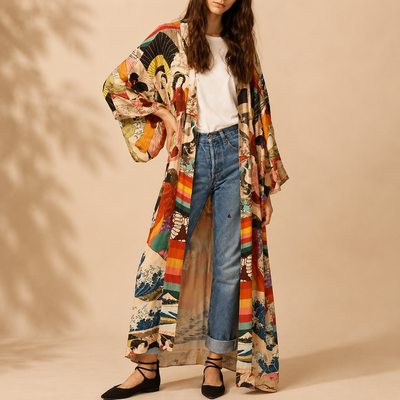
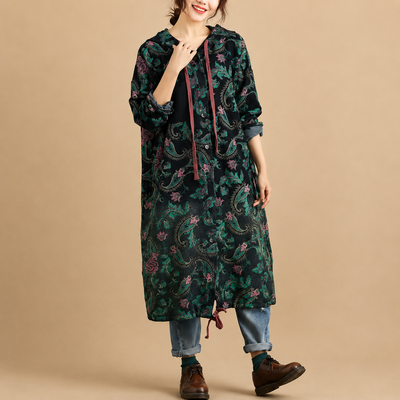
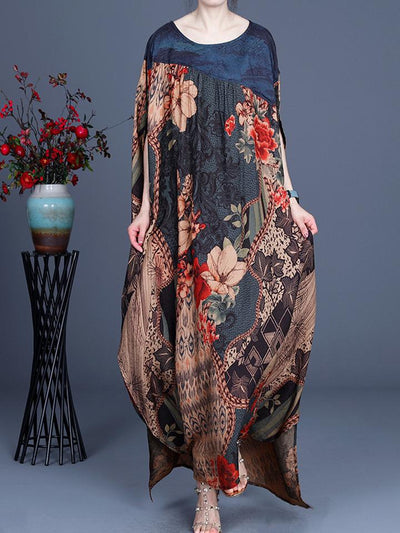
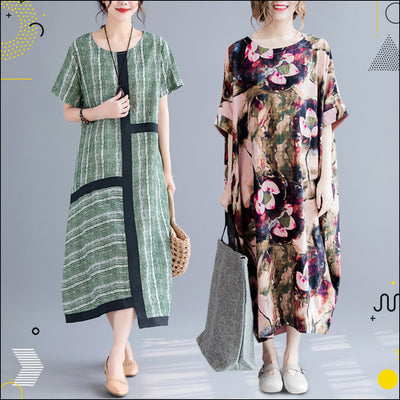
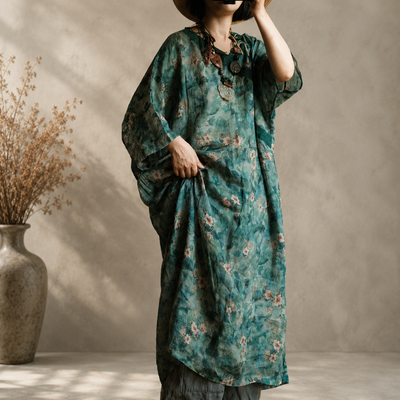
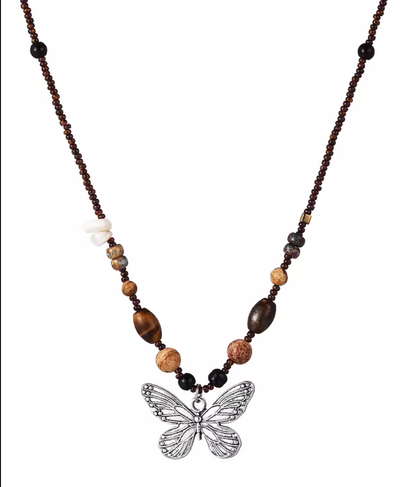
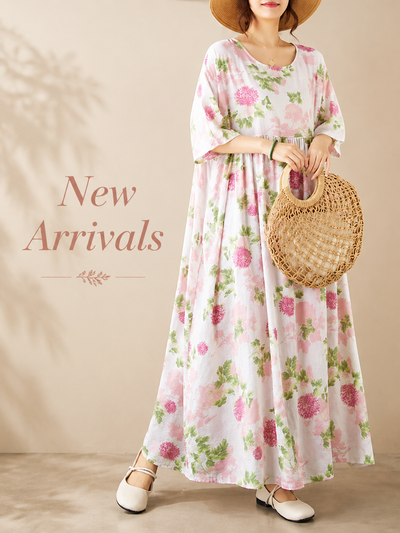
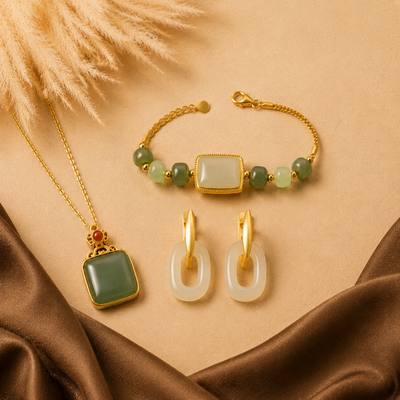
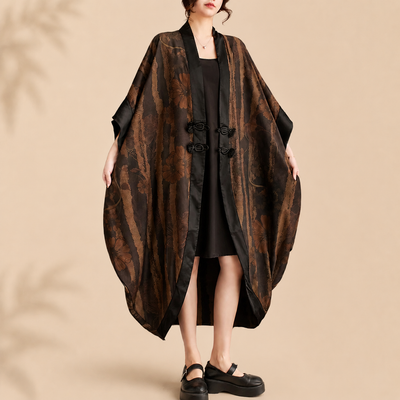
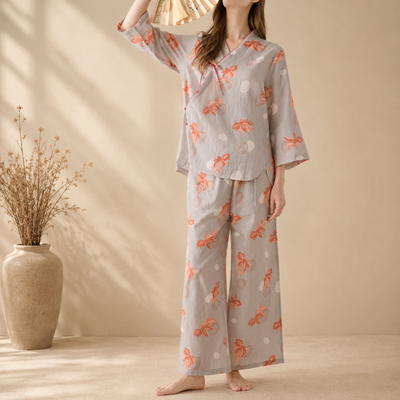
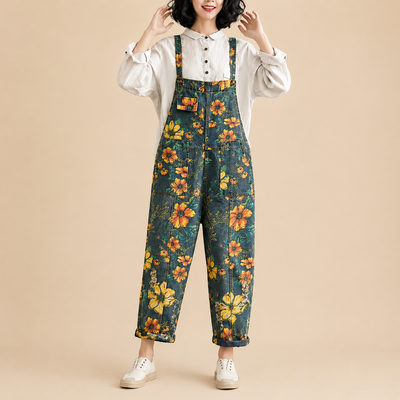
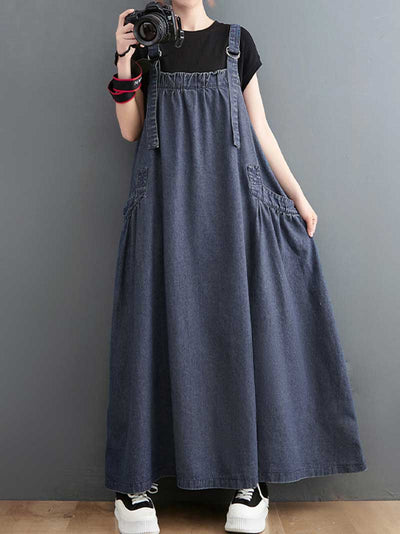
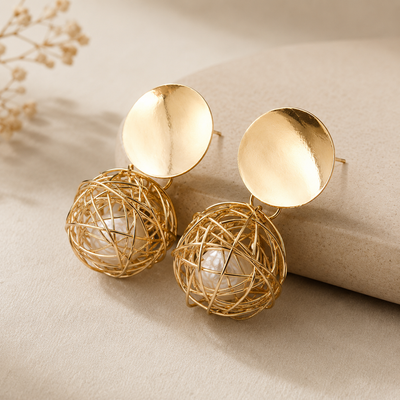
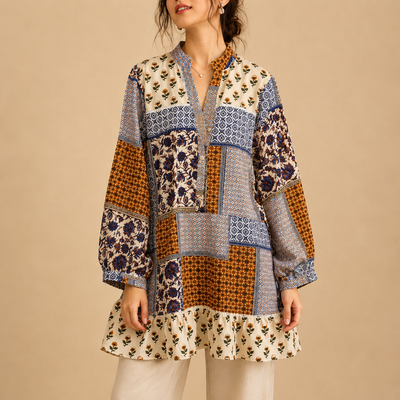
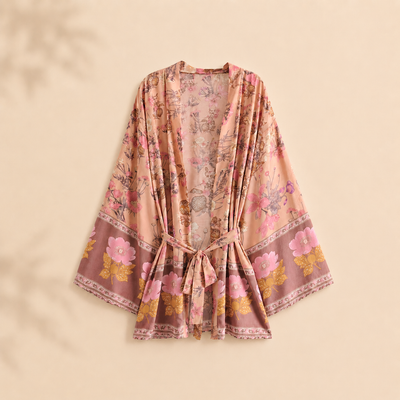
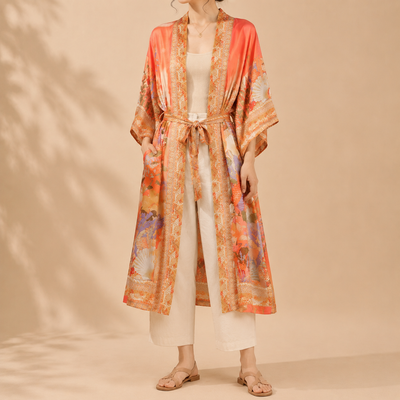
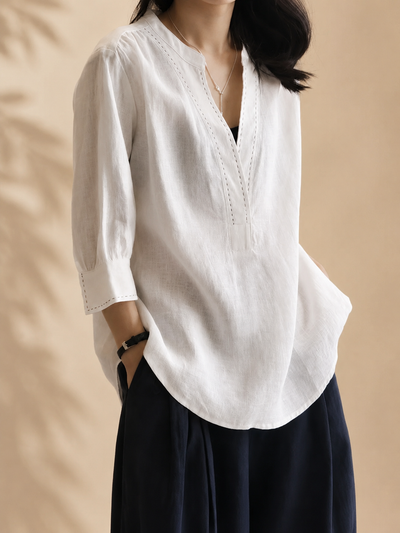
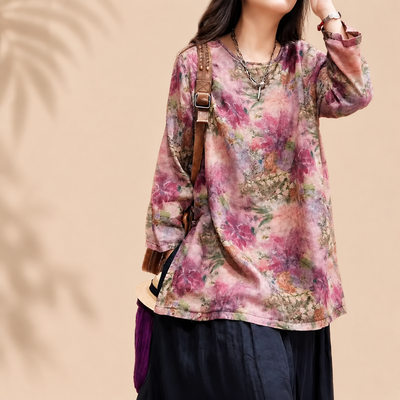



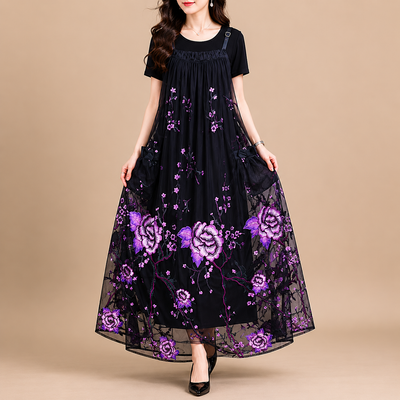
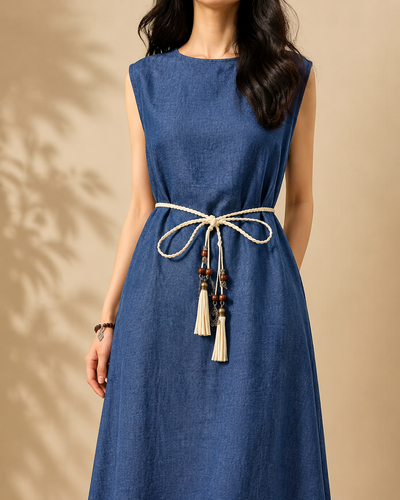
Summer weddings come with heat, outdoor venues, and dress codes that are hard to read. A maxi dress solves most of these problems. Match yours to the venue and the weather. From a beach ceremony to a formal evening reception, the right dress keeps you comfortable all day. At Eva Trends, we made this guide for women going to summer weddings.

Start with the Invitation
The invitation tells you the dress code.
Formal Weddings
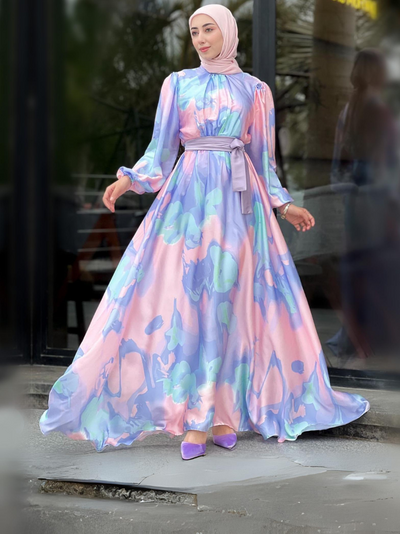
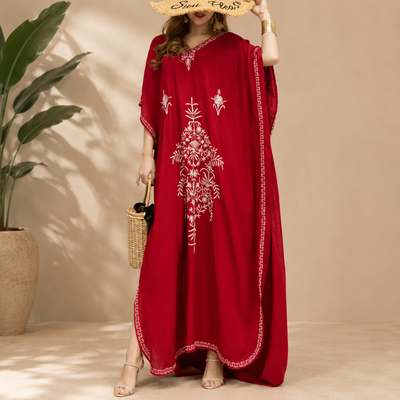
A floor-length gown in silk, satin, or crepe works for formal events. Solid colors like navy, burgundy, or emerald photograph well. Skip the statement necklace. Let the dress do the work.
Semi-Formal Weddings
A midi or ankle-length dress in chiffon or lightweight crepe works well. Look for interesting necklines or sleeve details. These small touches make the dress feel complete.
Casual or Beach Weddings
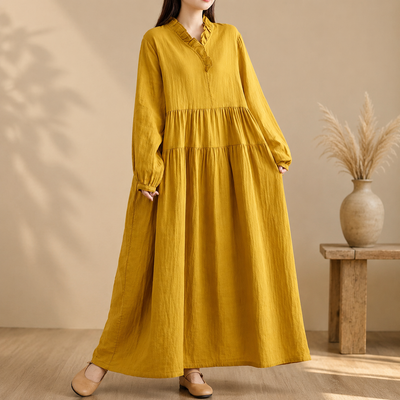
Cotton, linen, or lightweight blends work best here. Flowy or wrap styles keep you cool. Flat sandals or wedges are the practical choice. Bring a shawl. Air conditioning in the venue can surprise you.
Fabric Choice Changes How You Feel All Day

Chiffon moves with you. You can dance without feeling stuck. It works for outdoor ceremonies and indoor receptions.
Silk breathes. It feels smooth against your skin. Steam it the night before to remove wrinkles. Never iron it directly.
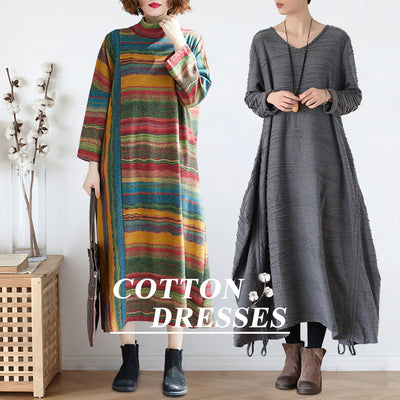
Cotton keeps you cool during mid-day heat. Iron it right before you leave the house. It wrinkles fast in a suitcase, so pack it carefully.
Linen looks crisp but wrinkles fast. Some women like the wrinkles. Others find it frustrating. Choose based on your preference.
Match Your Dress to the Venue

A beach ceremony means wind and sand. Your dress will move constantly. Pick something light that does not cling. Wedges stop you from sinking into the sand. Heavy satin weighs you down and collects sand at the hem. One Eva Trends customer wore our rose silk maxi to a Florida beach wedding and said the lightweight fabric made all the difference.
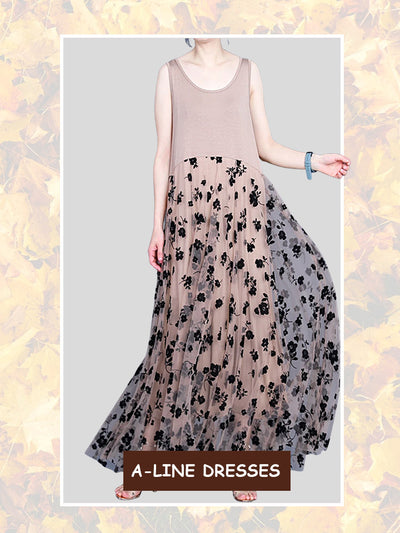
Garden weddings happen on grass. Block heels stop you from sinking. A train picks up mud and leaves. Skip it. One guest we spoke with wore a dress with a train and spent the entire ceremony holding it off the ground. Our A-line dresses work well for garden settings.
City rooftops have concrete floors. Strappy heels are the right choice here. A fitted maxi looks sleek against the skyline. The simple shapes stand out in photos.
Barn weddings often have wood floors. Block heels do the job well. Stiff fabrics feel out of place. Choose something that moves when you walk.
Pick the Right Length
Floor-length touches the ground. Only for formal events.
Ankle-length stops above the ground. This length works for formal and casual weddings. You will not catch the hem walking down a garden path.
Midi falls between knee and ankle. Semi-formal events suit this. You can move freely without worrying about the hem.
Colors to Choose and Avoid
- Never wear white, cream, ivory, or champagne. These are for the bride.
- Neons only work if the invitation requests bright colors. Otherwise skip them.
- Jewel tones photograph well for formal weddings. Pastels or floral prints fit garden events. Bright colors or light florals work for beach weddings. Muted earth tones match barn venues.
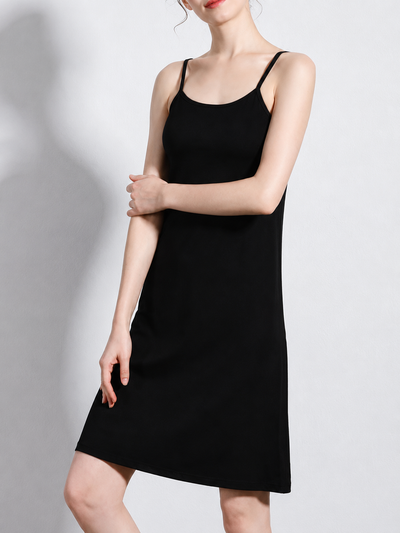
- Black fits evening events. Add metallic accessories to keep it from looking too dark.
Pick a Dress That Does Not Match the Bridal Party

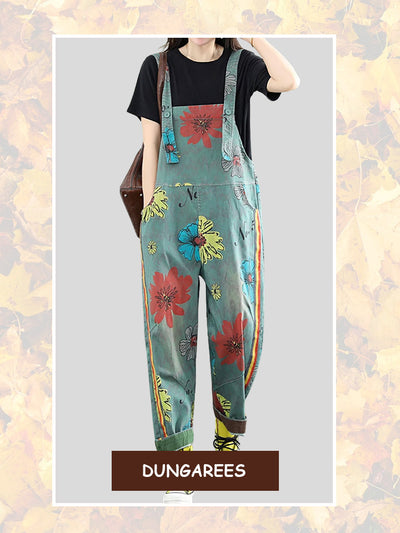
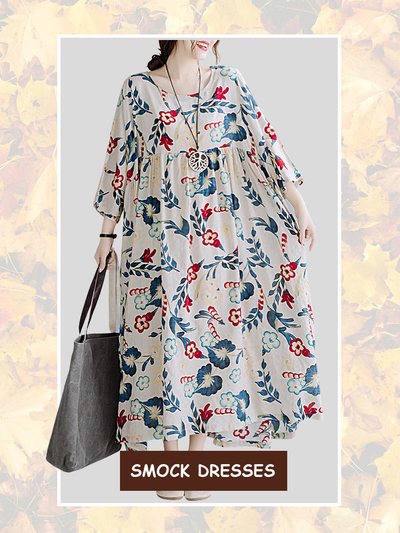
Floral prints solve this easily. A floral dress looks nothing like a solid bridesmaid gown.
Off-shoulder or asymmetrical necklines also help. They break the uniform look.
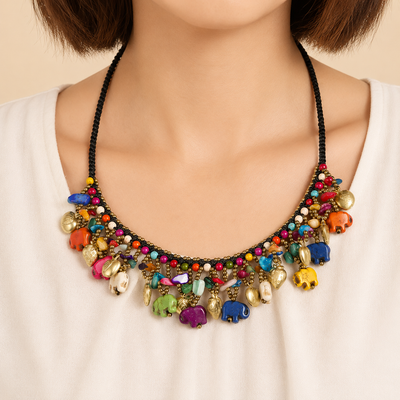
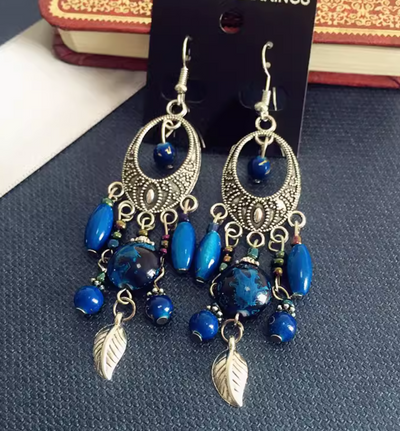
Bold jewelry changes everything. A large necklace or bright earrings separate you from the bridal party.
Ask the couple about bridesmaid colors before you buy. A quick text saves you from a photo where you blend into the background.
Shoes and Jewelry
Strappy heels work for formal events. Block heels or wedges work for grass and uneven ground. Flat sandals are for beach weddings. Pick neutrals or metallics.
Statement earrings work with strapless styles. Simple necklaces pair with higher necklines. Keep it simple.
A small clutch does the job. Metallic finishes catch the light and keep you looking like a guest.
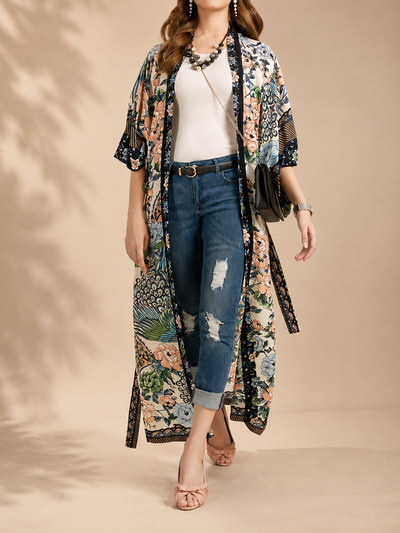
Bring a shawl or light wrap. Air conditioning can make venues chilly. Silk wraps work for formal occasions.
Common Mistakes to Skip
- Wearing white. The bride wears white.
- Ignoring the dress code. The invitation states it clearly.
- Choosing uncomfortable shoes. You will stand and dance for hours.
- Forgetting a cover-up. Indoor air conditioning can make you cold. Evening temperatures also drop.
- Ignoring fabric type. A dress can feel uncomfortable after six hours.
Plan for Weather Changes
Summer evenings turn cool. Indoor spaces turn on air conditioning.
Hot afternoons need breathable fabrics and loose dress shapes.
Cool evenings need a shawl or light wrap.
Unpredictable conditions need layers you can add or remove.
How to Care for Your Dress
- Steam your dress. This removes wrinkles safely.
- Hang it overnight. Gravity releases minor creases.
- Do not iron silk. Use a steamer instead.

- Test stain removal before the wedding. Summer events involve food and drinks.
Before You Buy
Can I wear a black dress to a summer wedding?
Yes, for evening or formal events. Add colorful accessories or metallic details.
What colors should I avoid completely?
White, cream, ivory, and champagne. These are reserved for the bride.
Do floral maxi dresses work for weddings?
Yes, especially in lighter tones. They are a good option for summer weddings.
What shoes work for an outdoor ceremony?
Block heels or wedges work for grass. Flat sandals are for beach settings.
How do I follow a specific dress code?
Check the invitation. Formal events need heavier fabrics like silk or satin.